
Risk Assessment 101: Building Smarter Security Solutions Starts with the Right Questions
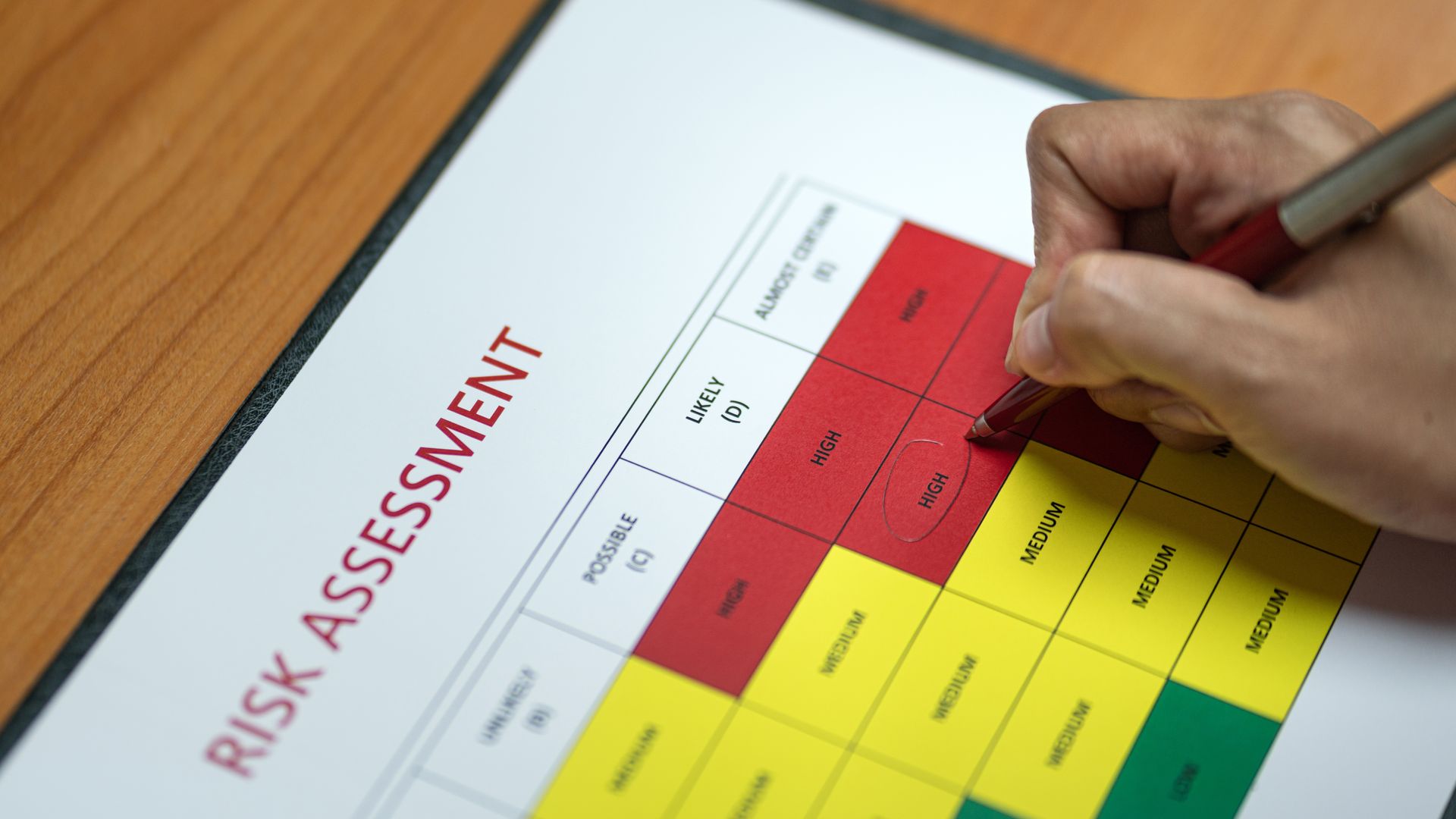
For companies in the life safety and property protection industry, recommending the right system begins long before selecting equipment. A structured risk assessment ensures that security solutions are aligned with real threats, operational priorities, and measurable objectives—not just familiarity with a particular technology platform. As industry experts often note, prescribing solutions without understanding the environment is like “treatment before diagnosis.”
Original Article
A proper risk assessment helps integrators move from product-driven conversations to strategy-driven protection plans. For Louisiana Life Safety and Security Association (LLSSA) members, this approach strengthens credibility with customers, improves compliance outcomes, and supports long-term system performance.
Start With Risk—Not Technology
Too often, system recommendations begin with the tools an integrator already knows best. A structured process flips that approach. Instead of asking what hardware to install, the assessment asks:
What threats exist?
What assets must be protected?
What vulnerabilities are present?
What level of risk is acceptable?
Only after those answers are clear should technology selection begin. This ensures the final solution directly supports the client’s operational goals rather than simply deploying familiar equipment.
A Practical Five-Step Framework
A disciplined assessment process typically follows five key stages:
1. Risk Assessment
Identify threats, vulnerabilities, and consequences affecting people, property, and operations.
2. Goal Setting
Define measurable outcomes such as improved response times, reduced false alarms, enhanced compliance, or stronger perimeter control.
3. Cultural Alignment
Ensure recommendations match the organization’s workflows, staffing levels, and tolerance for operational change.
4. Solution Recommendations
Select technologies and procedures that directly address identified risks.
5. Presentation and Justification
Clearly communicate how each recommendation supports specific objectives and reduces exposure.
This structured approach helps transform security proposals into defensible, outcome-based strategies rather than equipment lists.
Why Risk Assessments Matter for Integrators
For installers and system designers across Louisiana, risk assessments provide several advantages:
Improve customer trust by demonstrating a consultative approach
Reduce overspecification or underspecification of systems
Support AHJ expectations and documentation needs
Strengthen proposals for schools, healthcare, and critical infrastructure
Increase long-term customer retention through better-fit solutions
Most importantly, they position integrators as advisors—not just vendors.
Turning Assessment Into Action
Risk assessments should not be treated as a one-time exercise. Facilities change, threats evolve, and codes update. Periodic reassessments ensure systems remain aligned with operational realities and emerging risks.
For LLSSA members working in fire alarm, intrusion detection, access control, video surveillance, and monitoring environments, building recommendations on a formal assessment process helps ensure every installation supports a clear protection objective—and delivers measurable value to the customer.
Legal and Regulatory Disclaimer
Information provided by LLSSA is for educational and informational purposes only and should not be considered legal advice or the official position of any regulatory agency or organization. Users should independently verify all information with the appropriate authorities and consult qualified legal counsel or other professionals regarding their specific circumstances.