Powering Protection: Why Reliability Starts Behind the Panel
When people think about life safety systems, they often focus on the fire alarm control panel, smoke detectors, notification appliances, or emergency communications equipment. However, every one of these systems depends on a reliable electrical infrastructure to operate when it matters most. Even the most advanced fire alarm or security system cannot perform as designed if the electrical equipment supplying it has been neglected or allowed to deteriorate.
As electrical maintenance standards continue to evolve, facility owners and contractors are placing greater emphasis on preventive maintenance rather than waiting for equipment to fail. This shift recognizes that regular inspections, testing, documentation, and corrective maintenance help identify problems before they become emergencies. For life safety professionals, this presents an opportunity to educate customers that system reliability extends well beyond annual fire alarm inspections or required testing of devices. The condition of electrical panels, switchgear, breakers, transfer equipment, and power distribution components all contribute to the reliability of the systems you install and service.
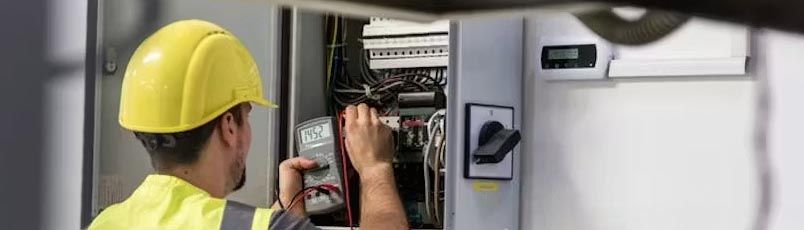
For installers and service providers in Louisiana, this means taking a broader view of life safety. During inspections and service calls, technicians should be aware of signs of electrical issues that could affect system performance, including overheating, corrosion, loose connections, moisture intrusion, damaged conductors, or overloaded circuits. While many of these conditions may fall outside the scope of a fire alarm or security service contract, documenting observations and notifying the customer can help prevent future failures and demonstrate your company's commitment to protecting lives and property.
Documentation is becoming increasingly important as well. Customers are asking for more than proof that a system was tested—they want confidence that it will continue operating reliably throughout its service life. Maintaining detailed service records, documenting deficiencies, recommending corrective actions, and verifying repairs create a valuable history for both the customer and the service provider. Thorough documentation can also be beneficial during inspections, insurance reviews, and investigations following an incident.
Technology is also changing how maintenance is performed. Remote diagnostics, system analytics, connected monitoring platforms, and predictive maintenance tools allow contractors to identify developing issues before they result in downtime. These technologies can reduce emergency service calls, improve customer satisfaction, and help customers budget for repairs before failures occur. As more facilities adopt connected building technologies, integrating maintenance information across electrical, fire, security, and life safety systems will become increasingly valuable.
Life safety professionals should also remember that reliability is a shared responsibility. Electrical contractors, engineers, inspectors, building owners, and system integrators all play important roles in maintaining safe facilities. Open communication between these groups helps ensure that deficiencies are addressed promptly and that critical systems remain operational.
For LLSSA members, the message is clear: protecting lives involves more than installing compliant equipment—it requires helping customers maintain the infrastructure that keeps those systems operating day after day. By promoting preventive maintenance, thorough documentation, and proactive communication, Louisiana's life safety and property protection professionals can deliver greater value while improving the long-term reliability of the systems entrusted to protect people and property.
Legal and Regulatory Disclaimer
Information provided by LLSSA is for educational and informational purposes only and should not be considered legal advice or the official position of any regulatory agency or organization. Users should independently verify all information with the appropriate authorities and consult qualified legal counsel or other professionals regarding their specific circumstances.