
Protecting Your Business When Customers Stop Paying
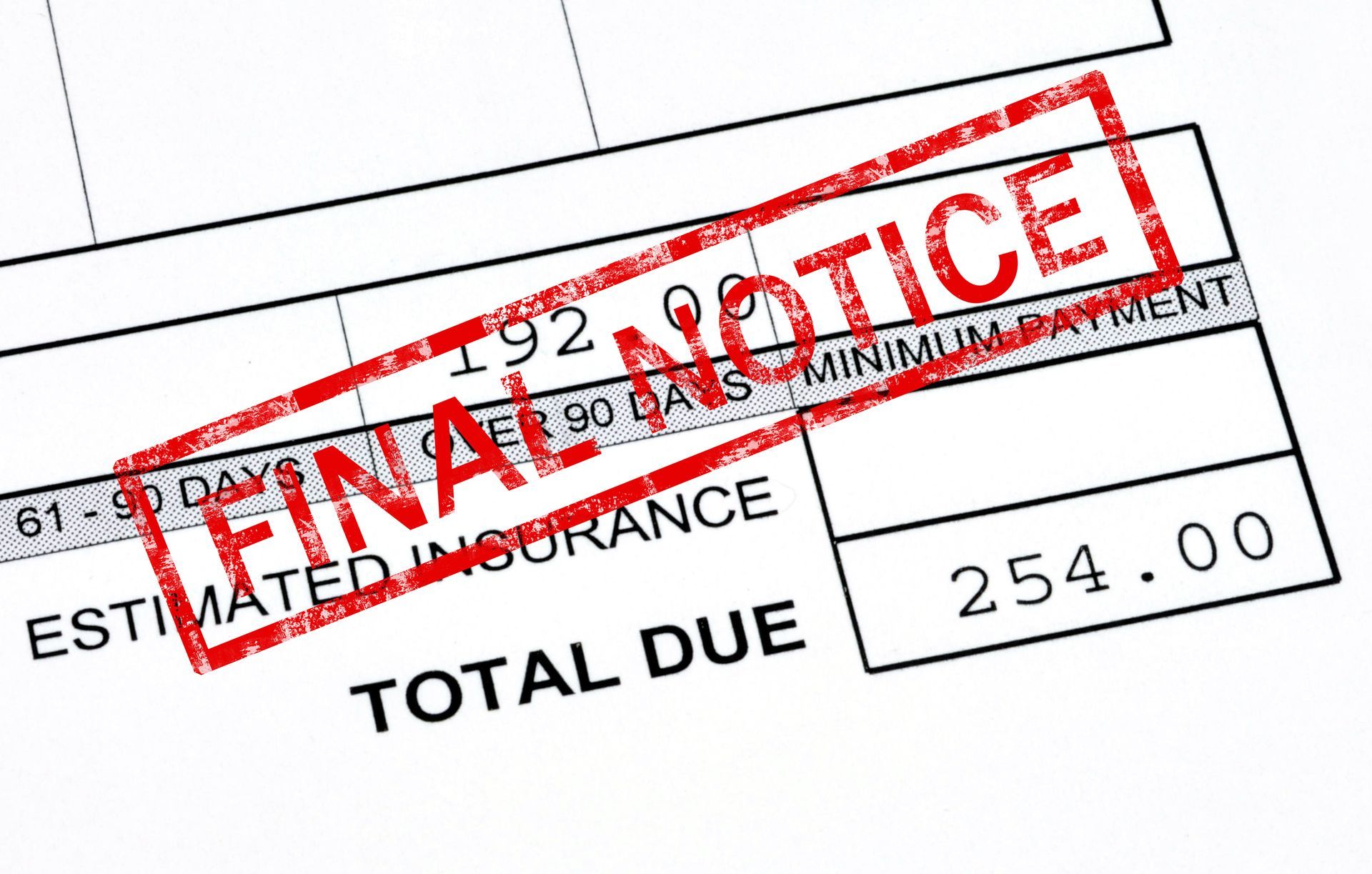
One of the most overlooked risks facing alarm and life safety companies isn't a failed installation or defective equipment—it's continuing to provide services to customers who have stopped paying. While it may seem like a customer who is several months behind on their account is simply a collections issue, the reality is that every day services remain active, your company may continue to assume responsibilities associated with those services.
Whether you're providing alarm monitoring, video verification, remote video access, mobile app control, managed access control, environmental monitoring, or other connected services, you are continuing to hold yourself out as the provider of those services. If a burglary, fire, carbon monoxide incident, medical emergency, or other event results in property damage, injury, or loss of life, the fact that the customer was delinquent on payments does not automatically eliminate the possibility of legal claims being made against your company. Plaintiffs' attorneys often examine every party connected to a loss, and active service agreements can become part of that discussion.
Many businesses hesitate to suspend services because they hope the customer will eventually catch up on payments or because they have maintained a long-term relationship. Others worry about upsetting a customer or losing future business. While these are understandable concerns, continuing to provide services without compensation creates a situation where your business assumes ongoing operational responsibilities while receiving none of the revenue intended to offset that risk.
In addition, monitoring centers continue to incur costs when accounts remain active. Signals are processed, operators respond to alarms, video clips may be reviewed, app servers continue to support remote access, and customer information must remain maintained. The account may no longer be profitable, yet the liability exposure remains.
Every alarm company should have a written collection and cancellation policy that is clearly explained in the monitoring agreement and consistently followed. Equally important, employees responsible for collections, customer service, and operations should understand the process and apply it uniformly.
An effective policy typically begins with the first missed payment, not after several months of delinquency.
A comprehensive policy may include:
- Immediate notification after a missed payment.
- Written reminders documenting the delinquent status.
- A clearly defined timeline for suspension of monitoring or other services.
- Final notice advising the customer that services will be terminated if payment is not received.
- Written confirmation when services are suspended or cancelled.
- Documentation of every communication with the customer.
Consistency is critical. Allowing one customer to remain active for two years while another is cancelled after 45 days can create unnecessary business and legal complications.
Most professionally drafted alarm contracts contain provisions addressing payment obligations, suspension of service, cancellation, limitations of liability, indemnification, and other important protections. However, those protections are most effective when your company follows the procedures outlined in the agreement.
If your contract provides for suspension after a specified period of non-payment but your company routinely ignores that provision, you may undermine the very procedures designed to reduce risk. Operational practices should align with the contract language, and management should periodically review both to ensure they remain current with applicable laws and business practices.
Every company should periodically review its delinquent account process with qualified legal counsel familiar with the electronic life safety and security industry. State laws, consumer protection regulations, licensing requirements, and contract enforcement can vary, and legal guidance can help ensure your procedures are appropriate for your jurisdiction and business model.
Management should also work closely with its central station, billing department, and customer service personnel so everyone understands when an account moves from collections to suspension and ultimately to cancellation.
The life safety and property protection industry exists to reduce risk—not create additional exposure for the companies providing those services. A customer who has stopped paying is no longer simply an accounts receivable issue. They may represent an ongoing operational and liability risk that grows with every month services remain active.
By establishing a clear cancellation policy, beginning the collection process with the first missed payment, documenting every step, and consistently enforcing your contracts, your company can better protect its financial health while reducing unnecessary exposure. Good risk management isn't just about the systems you install—it's also about the business practices you follow every day.
Legal and Regulatory Disclaimer
Information provided by LLSSA is for educational and informational purposes only and should not be considered legal advice or the official position of any regulatory agency or organization. Users should independently verify all information with the appropriate authorities and consult qualified legal counsel or other professionals regarding their specific circumstances.