
The Key Is Changing: Modern Access Control for Today's Homeowners
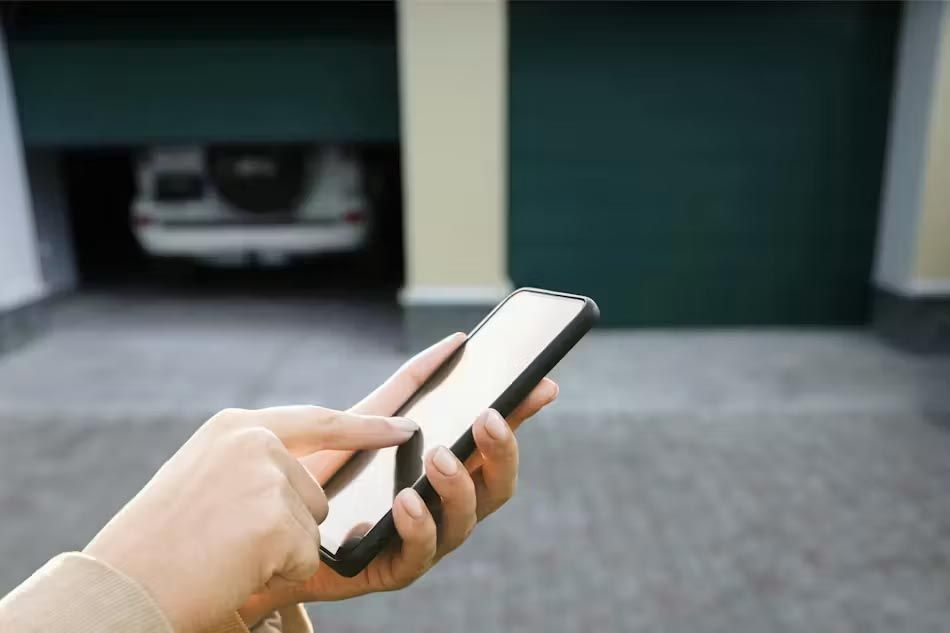
For years, residential access control was a simple matter of locks, keys, and garage door openers. Today, homeowners are increasingly looking for solutions that provide not only security but also convenience, visibility, and control. Modern residential access control systems have evolved into integrated smart-home tools that allow users to manage who enters their property, monitor activity in real time, and grant or revoke access from virtually anywhere. As technology continues to advance, access control is becoming one of the fastest-growing areas of residential security.
Smart locks, video doorbells, mobile credentials, and connected garage door controllers are now working together to create a complete perimeter security solution. Instead of relying solely on physical keys, homeowners can issue temporary codes to family members, contractors, housekeepers, or delivery personnel. Access can be limited to specific times and instantly removed when no longer needed. This level of control reduces the risks associated with lost keys, unauthorized copies, and unmanaged access while providing a detailed activity history that traditional locks simply cannot offer.
One of the most significant changes in residential access control is the growing role of mobile technology. Many systems now allow homeowners to lock or unlock doors, open garage doors, receive notifications, and review access events through a smartphone application. Mobile credentials are becoming increasingly popular because they combine convenience with enhanced security measures such as biometric authentication, multifactor authentication, and encrypted communications. These features help protect both the physical property and the digital systems connected to it.
The garage has also become a critical component of residential access control. For many homes, the garage serves as the primary entry point rather than the front door. Smart garage door systems now provide remote operation, status monitoring, activity alerts, and integration with other security devices. When combined with cameras and video analytics, homeowners gain greater awareness of who is entering and exiting their property while reducing the likelihood of accidental or unauthorized access.
For life safety and property protection professionals, this evolution presents significant opportunities. Customers are no longer seeking standalone devices; they want integrated solutions that connect access control, intrusion detection, video surveillance, automation, and mobile management into a single user experience. Companies that understand these technologies and can explain their practical benefits are well-positioned to meet growing consumer demand and create long-term recurring relationships with homeowners.
As residential access control continues to mature, installers should also emphasize cybersecurity and user education. Connected devices must be properly configured, updated, and protected to reduce vulnerabilities. By helping customers understand password management, multifactor authentication, software updates, and secure network practices, security professionals can deliver solutions that are both convenient and resilient. The future of residential security is no longer just about keeping doors locked—it is about providing homeowners with intelligent, connected control over every point of entry to their home.
Legal and Regulatory Disclaimer
Information provided by LLSSA is for educational and informational purposes only and should not be considered legal advice or the official position of any regulatory agency or organization. Users should independently verify all information with the appropriate authorities and consult qualified legal counsel or other professionals regarding their specific circumstances.