
Beyond the Lens: Capturing Opportunity in a $204 Billion Video Surveillance Market
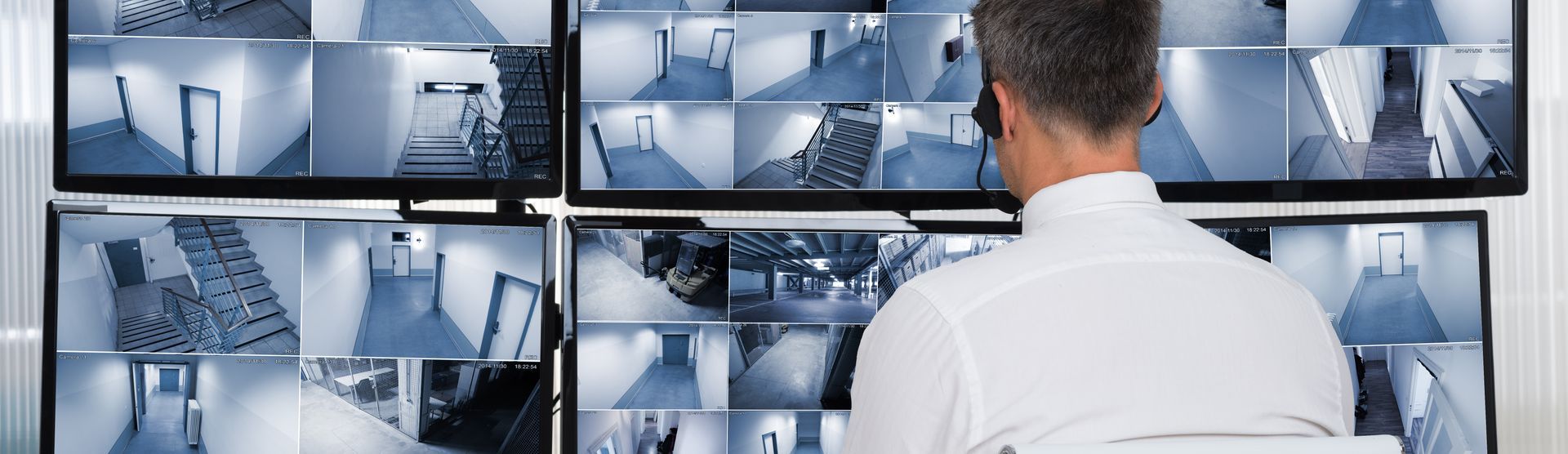
The video surveillance industry is entering a period of significant growth, and for Louisiana’s life safety and property protection professionals, that growth represents much more than an increase in camera sales. The global video surveillance market, valued at approximately $83.5 billion in 2025, is projected to reach nearly $204.7 billion by 2033, representing an annual growth rate of about 11.7 percent. For installers and integrators, those numbers point toward expanding opportunities—but also a changing definition of what customers will expect from a professionally installed surveillance system.
Much of this growth is being driven by the transition from traditional video recording to intelligent, connected security. Artificial intelligence, deep learning, cloud services, Internet of Things technology and advanced video analytics are allowing cameras to do far more than simply capture footage. Systems can increasingly identify people, vehicles and objects, recognize unusual activity, generate real-time alerts and help security personnel focus their attention on events that may actually require action. Separate market research estimates that the AI portion of the video surveillance market alone could grow from approximately $4.04 billion in 2026 to $10.88 billion by 2032.
For Louisiana installers, this evolution creates an opportunity to move the customer conversation away from simply asking, “How many cameras do you need?” The better questions involve what the customer wants the system to accomplish. Does a business need perimeter protection after hours? Does a warehouse want to identify people or vehicles entering restricted areas? Does a retail customer want better incident verification? Does a commercial property need video integrated with access control, intrusion detection or remote monitoring? As surveillance technology becomes more intelligent, system design increasingly begins with the customer's desired outcome rather than the camera count.
IP-based systems are already leading the market, accounting for more than half of video surveillance system revenue in 2025. Hardware remains the largest component of the overall market, but services are expected to grow as customers require professionals who can properly install, configure and maintain increasingly complex systems. That is particularly important for professional integrators because cameras are becoming part of a larger technology ecosystem involving networks, software, cloud platforms, mobile applications, analytics and other security systems.
This change also means installers must become increasingly comfortable with networking and cybersecurity. A modern IP camera is not simply a security device mounted to a building; it is a network-connected endpoint. Poor passwords, outdated firmware, improper network configuration, unnecessary remote access or unsecured devices can create vulnerabilities for the customer. As more surveillance systems connect to cloud platforms and other building systems, cybersecurity should be considered during system design, installation and ongoing service—not after a problem occurs.
Artificial intelligence also requires installers to understand the limitations of the technology they sell. A system advertised as capable of detecting people, vehicles or unusual activity still depends heavily on camera placement, lighting, field of view, resolution, environmental conditions and proper configuration. Installers should avoid overselling analytics as a replacement for sound system design. AI can make surveillance significantly more useful, but it cannot compensate for a poorly positioned camera or an improperly configured system.
The growth of video analytics also brings privacy and data-management considerations. Features such as facial recognition, license plate recognition, behavioral analysis and cloud video storage can create questions about how information is collected, stored, accessed and retained. Installers should understand the capabilities of the products they offer and clearly communicate those capabilities to customers. Contracts, system documentation and customer policies should also accurately reflect the services being provided and the responsibilities of the parties involved.
Recurring services may become one of the most important opportunities created by this expanding market. Cloud video storage, remote system management, health monitoring, analytics subscriptions, software licensing, cybersecurity maintenance and integration with professional monitoring can turn a one-time installation into an ongoing customer relationship. Instead of competing primarily on the price of cameras and recorders, companies can build value around system performance, service and long-term support.
The commercial market is particularly important, accounting for the largest share of video surveillance revenue in 2025. Louisiana integrators serving businesses, industrial facilities, schools, healthcare properties, multifamily developments and other commercial customers should pay close attention to how these organizations are changing their expectations. Customers increasingly want systems that provide useful information quickly rather than hours of recorded video that someone must manually review after an incident.
A market approaching $204 billion does not guarantee success for every security company. It does, however, demonstrate that video surveillance is becoming an increasingly important part of the overall security environment. The companies positioned to benefit will be those that continue educating their technicians, strengthen their networking and cybersecurity knowledge, understand emerging analytics and build solutions around the customer's actual security needs.
For Louisiana’s life safety and property protection industry, the message is clear: video surveillance is no longer just about putting cameras on walls. It is becoming an interconnected security platform combining video, data, analytics, communications and professional services. Installers who develop the skills necessary to design, install, secure and support these systems will be positioned to participate in one of the fastest-growing areas of the security industry.
Legal and Regulatory Disclaimer
Information provided by LLSSA is for educational and informational purposes only and should not be considered legal advice or the official position of any regulatory agency or organization. Users should independently verify all information with the appropriate authorities and consult qualified legal counsel or other professionals regarding their specific circumstances.