
Every Connection Counts
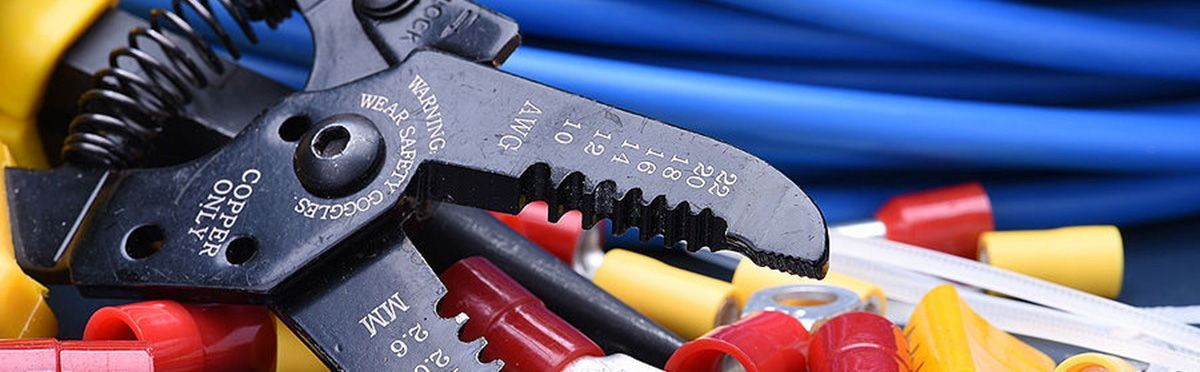
Every experienced life safety and property protection technician has encountered it—the service call where the system worked perfectly during installation, passed every initial test, yet weeks or months later begins producing random troubles, intermittent communication failures, nuisance alarms, or devices that mysteriously drop offline. These "ghost" problems are often blamed on defective equipment, environmental conditions, or software issues, but the true culprit is frequently much simpler: a poor wire termination. Whether it's a fire alarm control panel, access control system, intrusion alarm, video surveillance network, or emergency communication system, every device depends on dozens—sometimes hundreds—of electrical connections. A single loose conductor, improperly stripped wire, over-tightened terminal, or poorly crimped connector can introduce resistance that worsens over time until the connection becomes unreliable. The system may continue operating most of the time, making the fault exceptionally difficult to diagnose, while creating unnecessary service calls and customer frustration.
Electrical terminations are mechanical connections first and electrical connections second. When conductors are not fully seated, terminal screws are not tightened to the manufacturer's specified torque, or ferrules and connectors are improperly selected, vibration, thermal expansion, humidity, and normal building movement gradually weaken the connection. The increased resistance generates localized heat, which accelerates oxidation and corrosion while further degrading conductivity. In low-voltage life safety systems, this often appears as intermittent troubles, communication errors, data loss, power fluctuations, or unexplained device failures. Unlike a complete open circuit that is relatively easy to locate, intermittent faults can disappear while a technician is on-site, only to return days or weeks later.
Today's systems are even less forgiving than those installed just a decade ago. Modern IP-based security devices, addressable fire alarm systems, PoE-powered equipment, network video recorders, and intelligent access control systems rely on stable voltage and clean data transmission. Even a slight increase in contact resistance or an improperly terminated network cable can create packet loss, communication retries, false supervisory conditions, or degraded device performance that may not immediately trigger a complete failure. As systems become more interconnected and more dependent on continuous communication, installation quality becomes just as important as the quality of the equipment itself.
Good workmanship extends far beyond tightening a screw. Conductors should be stripped to the proper length without nicking the copper, terminal screws should be torqued according to manufacturer specifications, ferrules should be used where recommended, and connectors should always match the wire type and size. Cable routing should be neat and organized, conductors should be properly supported to eliminate strain on terminals, and every enclosure should remain clean and clearly labeled. Organized panels are easier to inspect, easier to troubleshoot, and far less likely to develop hidden problems over the life of the installation. A neat control panel is not simply an aesthetic achievement—it is evidence of disciplined installation practices that improve reliability and reduce maintenance costs.
For Louisiana life safety and property protection contractors, proper terminations are also a matter of professional responsibility and liability. If an improperly terminated conductor contributes to a system failing during an emergency, investigators will examine the quality of the installation just as closely as the equipment itself. Service records, inspection reports, photographs, and installation practices may all become evidence should litigation follow. Spending a few extra minutes verifying every connection before closing an enclosure is far less expensive than returning for repeated service calls—or defending installation practices after a system failure.
The most reliable systems are rarely the ones with the newest technology; they are the ones built on consistent craftsmanship. Every properly torqued terminal, every correctly crimped connector, every neatly dressed cable, and every carefully inspected enclosure contributes to a system that performs reliably for years. Customers may never notice the quality of a termination, but they will certainly notice the consequences when one fails. In the life safety and property protection industry, reliability begins with the smallest connection—and that connection is ultimately the installer's responsibility.
Legal and Regulatory Disclaimer
Information provided by LLSSA is for educational and informational purposes only and should not be considered legal advice or the official position of any regulatory agency or organization. Users should independently verify all information with the appropriate authorities and consult qualified legal counsel or other professionals regarding their specific circumstances.