
Ghost in the Room? What’s Really Triggering That PIR
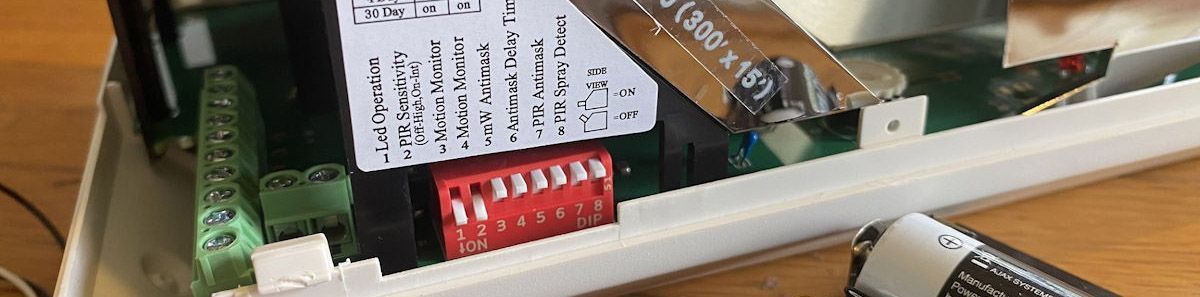
Passive infrared (PIR) motion detectors are among the most widely used devices in intrusion alarm systems, but their reliability depends heavily on proper selection, placement, and installation. When a customer reports that a motion detector is “going off for no reason,” there usually is a reason. Understanding how a PIR works—and what it is actually detecting—can help technicians identify nuisance alarm sources instead of simply replacing a detector that may be functioning exactly as designed.
A PIR does not see a person or recognize an intruder in the way a camera does. Instead, it detects changes in infrared energy as a warm object moves through different detection zones within its field of view. A Fresnel lens divides the coverage area into zones and focuses infrared energy onto the detector’s sensing element. When the change between those zones meets the detector’s programmed criteria, an alarm can be generated. This makes PIR technology effective for detecting people, but environmental conditions can sometimes create changes that resemble the thermal movement the detector is designed to recognize.
Placement becomes especially important when a PIR is aimed into a large open area or toward a distant exterior environment. As the detector’s coverage extends farther from the lens, its detection zones become wider and encompass a greater area. Changing sunlight, passing clouds, wind-driven temperature changes, heated surfaces, moving vegetation, animals, and other environmental factors can then influence the infrared energy within those zones. A detector looking across a controlled interior space may therefore behave very differently from the same detector aimed across a large, thermally active area.
Louisiana installers should pay particular attention to heat and rapidly changing environmental conditions. Detectors should not be positioned where direct sunlight can strike the sensor or where heaters, fireplaces, HVAC vents, powerful lighting, or surfaces experiencing sudden temperature changes dominate the field of view. Humidity, dirt, dust, insects, and airflow entering through improperly sealed cable openings can also contribute to unwanted activations. These concerns are consistent with installation principles already addressed in LLSSA technician training, including avoiding heaters and fireplaces, humid locations, animals, and other potential sources of unwanted activation.
Pets present another challenge. A dog or cat is also a warm object moving through a PIR's detection zones. Pet-immune detectors can reduce this problem, but their effectiveness depends on following the manufacturer's requirements for mounting height, detector angle, animal size, room configuration, and coverage. A cat that climbs onto furniture, for example, may enter a detection zone that the installer expected to remain free of animal movement. Selecting a pet-immune detector does not eliminate the need for careful installation and testing.
Technicians should also consider what is happening beyond the immediate mounting location. A detector aimed toward windows may encounter changing sunlight or thermal conditions. Curtains or blinds may move when an HVAC system operates. Plants and other objects may move within the coverage area. Insects can get extremely close to the lens or enter a detector that has not been properly sealed. Outdoors, vegetation moving in changing thermal conditions can become particularly problematic. Each of these conditions can create the type of changing infrared pattern that a PIR may interpret as movement.
Proper coverage design is equally important. PIR detectors generally perform best when the anticipated intruder moves across the detection pattern rather than directly toward the detector. Installers should review the manufacturer's coverage diagram, mounting specifications, range, lens pattern, environmental ratings, and recommended applications instead of treating every PIR as interchangeable. A detector designed for a controlled indoor environment should not be expected to perform reliably in an application that exceeds its intended design.
When repeated alarms occur, technicians should troubleshoot the environment as carefully as they troubleshoot the equipment. Ask when the activations occur and look for patterns. An alarm that repeatedly happens at approximately the same time of day may point toward changing sunlight or temperature. Activations associated with an HVAC cycle may suggest airflow, moving curtains, or thermal changes. Overnight events may warrant checking for pets, rodents, insects, or other activity. Reviewing alarm history and recreating the conditions surrounding an activation can provide valuable clues before a detector is replaced.
In more difficult environments, a different detector technology or application may be appropriate. Dual-technology and other advanced detectors can provide additional methods of confirming movement, but they are not substitutes for good system design. Even sophisticated detectors must be correctly selected, positioned, configured, and tested for the environment in which they operate.
False and nuisance alarms affect more than the individual customer. They can generate unnecessary monitoring-center activity, contribute to unnecessary requests for public-safety response, frustrate alarm users, and reduce confidence in the alarm system. For Louisiana technicians, preventing these alarms begins before the detector is ever mounted. Understanding the environment, selecting the right device, following manufacturer specifications, properly positioning and sealing the detector, and thoroughly walk-testing the finished installation can make the difference between a system customers trust and one they eventually stop using.
A PIR that activates unexpectedly is not necessarily a bad PIR. Often, it is telling the technician something about the environment, the application, or the installation. The better we understand what the detector is actually “seeing,” the better we can design reliable systems that detect the movement we want without responding to the conditions we don't.
Legal and Regulatory Disclaimer
Information provided by LLSSA is for educational and informational purposes only and should not be considered legal advice or the official position of any regulatory agency or organization. Users should independently verify all information with the appropriate authorities and consult qualified legal counsel or other professionals regarding their specific circumstances.