
One Identity, Two Worlds: Where Physical Security Meets Cybersecurity
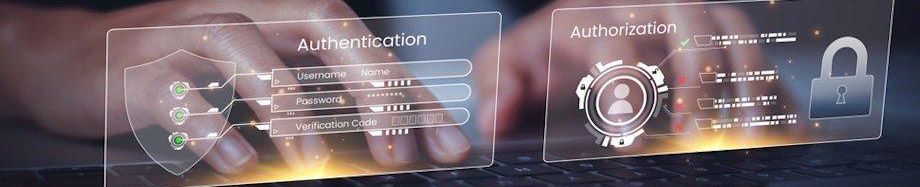
The security industry is undergoing a significant transformation as the boundaries between physical security and cybersecurity continue to disappear. For decades, protecting a building and protecting a computer network were considered separate responsibilities. Security professionals installed access control systems, surveillance cameras, and intrusion detection equipment, while information technology departments managed passwords, network access, and digital security. Today, these systems are becoming increasingly connected, and identity management is emerging as the critical link between them.
For Louisiana's life safety and property protection professionals, this evolution represents an important opportunity to expand services, strengthen customer relationships, and provide more comprehensive security solutions.
Consider a typical business environment. An employee uses an access card to enter the building, logs into a computer, accesses company applications, and enters restricted areas throughout the day. Traditionally, each of these activities might require a different credential managed by a separate system. While these systems may function independently, the lack of coordination can create security vulnerabilities, administrative challenges, and unnecessary expenses.
One of the greatest risks occurs when an employee leaves a company or changes positions. The IT department may immediately disable network access, but the employee's physical access card could remain active for days or weeks. This disconnect creates an opportunity for unauthorized entry, even though the company's cybersecurity measures appear to be functioning properly.
Modern identity management systems help eliminate these gaps by connecting physical and digital access under a coordinated security strategy. Rather than managing multiple unrelated credentials, organizations can establish a trusted identity for each individual and assign permissions based on their responsibilities. When an employee's status changes, access privileges can be updated or revoked across connected systems.
This approach improves security while simplifying daily operations. Employees spend less time managing multiple credentials, administrators gain better visibility into access activity, and businesses can respond more quickly to potential security incidents.
According to the 2026 State of Security and Identity Report from HID, 73% of security leaders identify identity management as a major trend influencing their security strategies. Additionally, 75% of organizations have either implemented or are actively evaluating solutions that connect physical and digital identity systems. These findings demonstrate how quickly identity management is becoming a priority for businesses of all sizes.
Mobile credentials are another important part of this transformation. Instead of relying exclusively on traditional access cards or key fobs, employees can use smartphones to access buildings and secured areas. Depending on the technology, these credentials may incorporate encryption, biometric authentication, and remote management capabilities.
For installers, mobile credentials offer several advantages. Lost credentials can be disabled without replacing physical cards, temporary access can be granted to contractors or visitors, and permissions can be adjusted remotely. These capabilities are particularly valuable for businesses with multiple locations, frequently changing personnel, or restricted areas requiring additional protection.
However, the increased connectivity between systems also introduces new responsibilities for security professionals. An access control system connected to a customer's network is no longer simply a door security solution. It becomes part of the organization's broader technology infrastructure and must be protected accordingly.
Older access control technologies can present particular concerns. Some legacy proximity cards are vulnerable to duplication, while outdated communication methods between readers and controllers may expose credential information. Systems using weak passwords, outdated firmware, or improperly configured network connections can also create opportunities for unauthorized access.
Life safety and property protection installers should consider these vulnerabilities when recommending equipment and designing installations. Selecting products that support secure credential technologies, encrypted communications, appropriate authentication methods, and ongoing software updates can significantly improve the overall security of an installation.
Collaboration with the customer's IT department is becoming increasingly important. Before installing network-connected security equipment, integrators should understand the customer's cybersecurity policies, network requirements, and access management procedures. Proper coordination can help prevent compatibility problems, reduce vulnerabilities, and ensure that physical security systems support the organization's broader protection strategy.
Biometric technologies are also becoming more common in access control applications. Fingerprint recognition, facial recognition, and other biometric methods can provide additional identity verification, particularly in facilities where stronger authentication is necessary. However, these technologies require careful consideration of privacy, data protection, and applicable legal requirements. Installers should understand how biometric information is collected, stored, transmitted, and protected before recommending these solutions.
Importantly, modernizing identity management does not necessarily require replacing an entire security system. Many businesses can improve protection through a phased approach that includes upgrading vulnerable readers, replacing outdated credentials, improving network security, and integrating existing systems with centralized identity management platforms.
For Louisiana security companies, these developments create opportunities beyond traditional equipment installation. Customers increasingly need assistance evaluating existing systems, identifying security gaps, implementing upgrades, and maintaining integrated solutions. Companies that develop expertise in network security, credential management, and system integration will be better positioned to meet these growing demands.
Training and continuing education will play an essential role in preparing technicians for this changing environment. Understanding how access control systems communicate with networks, how credentials are authenticated, and how physical and digital permissions interact will become increasingly valuable skills. Installers must also remain mindful of applicable licensing requirements, building codes, fire and life safety requirements, and emergency egress provisions when designing integrated systems.
The Louisiana Life Safety & Security Association encourages industry professionals to recognize that the future of security extends beyond individual devices. Protecting a customer's property increasingly means protecting the systems, credentials, and information that control access to that property.
The most effective security solutions will not simply answer whether a door is locked or a network is protected. They will establish who is requesting access, whether that individual is authorized, and how that authorization is managed throughout the organization.
As physical security and cybersecurity continue to converge, identity management will become an essential component of protecting people, property, and information. For life safety and property protection professionals willing to expand their knowledge and adapt to emerging technologies, this transformation presents an opportunity to become even more valuable partners in their customers' overall security strategies.
Legal and Regulatory Disclaimer
Information provided by LLSSA is for educational and informational purposes only and should not be considered legal advice or the official position of any regulatory agency or organization. Users should independently verify all information with the appropriate authorities and consult qualified legal counsel or other professionals regarding their specific circumstances.