
Protection has an Expiration
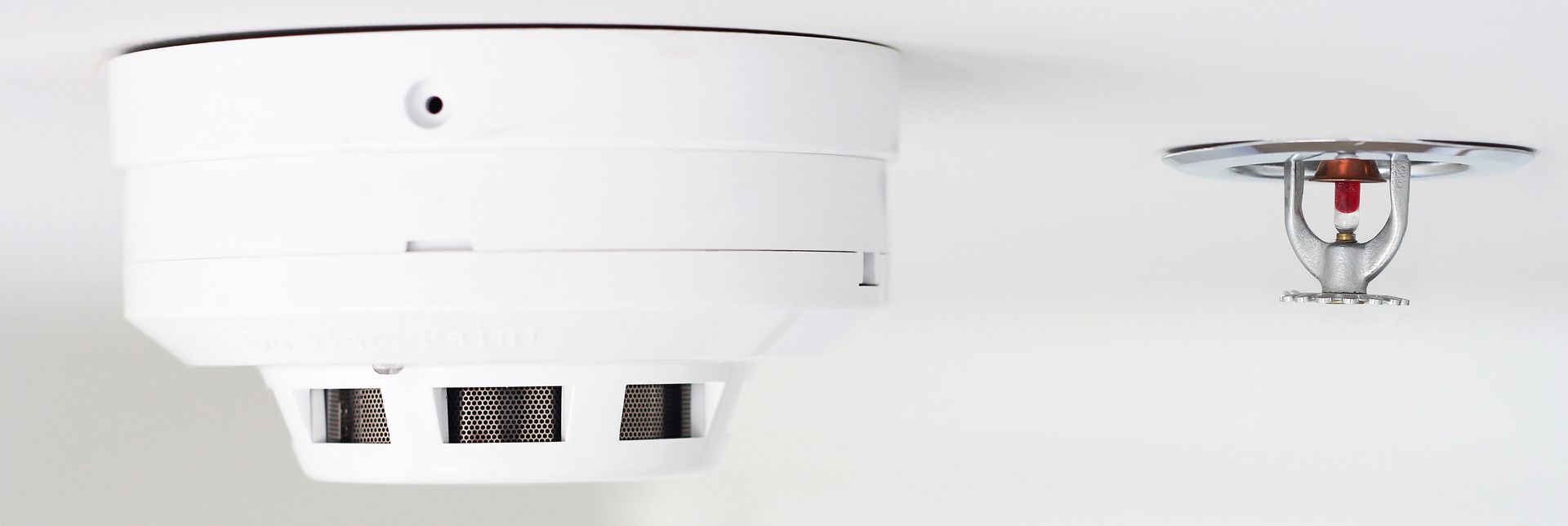
Smoke and carbon monoxide (CO) detectors are among the most important life safety devices installed in homes and businesses. These devices provide early warnings of potentially deadly conditions, allowing occupants valuable time to escape or take appropriate action. However, an important fact is often overlooked during installation and customer education: smoke and carbon monoxide detectors do not last forever. Every device has a limited service life, and understanding when it must be replaced is just as important as ensuring it is properly installed and maintained.
For Louisiana's life safety and property protection professionals, educating customers about detector maintenance, replacement schedules, and end-of-life requirements should be a standard part of every installation and service visit. Many homeowners and small business owners assume that as long as a detector has power, displays a normal status, or responds when the test button is pressed, it is functioning properly. Unfortunately, that assumption can create a dangerous false sense of security.
The service life of smoke and carbon monoxide detectors varies depending on the type of device, manufacturer, model, and applicable product standard. Many residential smoke alarms have a recommended replacement interval of 10 years, while carbon monoxide alarms have historically had shorter service lives, including five- and seven-year models. Many newer CO alarms are rated for 10 years. Combination smoke and carbon monoxide alarms may also have different replacement requirements depending on their design. There is no universal five-year replacement requirement for all smoke and carbon monoxide devices. Installers must consult the manufacturer's instructions and product labeling to determine the correct replacement interval for each device.
An important distinction is the difference between the date a device was manufactured, the date it was installed, and the date its service life officially begins. Some manufacturers specify replacement based on the manufacturing date, while certain products calculate their operating life from initial activation. A detector that has spent considerable time in a distributor's warehouse or on a dealer's shelf may therefore have less remaining service life than the customer expects. This makes inventory management especially important. Before installing any smoke or carbon monoxide detector, technicians should verify the manufacturing date, expiration information, and manufacturer's replacement instructions. Installing older inventory without checking these details could leave a customer with a device that requires replacement sooner than anticipated.
Louisiana law establishes specific requirements for smoke and carbon monoxide detection in residential properties. Under Louisiana Revised Statute 40:1581, certain residential properties must meet smoke and carbon monoxide detector requirements at the time of sale or lease, including provisions addressing long-life sealed batteries. Additional requirements may apply depending on the property's age, occupancy, construction, and applicable codes. Commercial buildings, including small businesses, may have different requirements based on occupancy classifications, equipment, and fire and life safety codes. Louisiana installers should verify applicable requirements with the State Fire Marshal's Office and the authority having jurisdiction rather than assuming the same rules apply to every installation.
Smoke detectors use sensing technologies designed to identify particles produced by combustion. Over time, dust, environmental contaminants, insects, and aging electronic components can affect detector performance. Carbon monoxide detectors present similar concerns. Carbon monoxide is an odorless, colorless gas produced by incomplete combustion in equipment such as furnaces, generators, fireplaces, and other fuel-burning appliances. CO alarms use sensing technology that has a finite operational life. As sensors age, their ability to detect dangerous concentrations reliably may be affected. Even with regular cleaning and testing, these devices eventually reach the end of their intended service life.
Many newer detectors include an end-of-life warning, often communicated through a distinctive chirping pattern or indicator. Unfortunately, customers frequently mistake these warnings for low-battery alerts. Replacing a battery will not restore an expired sensor, and a sealed-battery alarm that has reached its end of life generally requires replacement of the entire device. It is also important to explain that pressing the test button does not necessarily verify the detector's ability to sense smoke or carbon monoxide. The test button typically checks specified electronic functions and the notification mechanism. Additional functional testing must follow the manufacturer's instructions and applicable standards.
Regular maintenance helps ensure that smoke and carbon monoxide detectors operate as intended throughout their approved service life. Homeowners and business owners should be instructed to test standalone alarms according to manufacturer recommendations, commonly at least monthly, keep devices free from dust and obstructions, and replace removable batteries as directed. Sealed-battery devices should never be opened or modified in an attempt to extend their operating life. For professionally installed and monitored fire alarm systems, inspection, testing, and maintenance must follow applicable codes, manufacturer requirements, and the authority having jurisdiction. These systems may have different inspection schedules and replacement criteria from standalone residential alarms.
Louisiana's humidity, dust, and environmental conditions can create additional maintenance challenges. Devices installed near kitchens, bathrooms, garages, or areas exposed to airborne contaminants may require special attention. Proper placement during installation can help reduce nuisance alarms and premature performance problems. A detector that repeatedly causes trouble signals, fails testing, shows signs of damage, or has reached its replacement date should be evaluated and replaced as appropriate. Maintenance should never be presented as a substitute for replacing an expired device.
One of the most valuable services Louisiana alarm professionals can provide is educating customers about the equipment protecting their homes and businesses. During installation, dealers should explain the difference between battery replacement and detector replacement, identify the expected end-of-life date, and demonstrate how to recognize warning signals. Dealers should consider documenting the manufacturer, model number, manufacturing date, installation date, and required replacement date for every smoke and CO detector installed. This information can become part of the customer's service record and provide a foundation for future maintenance reminders.
Monitoring companies and installing dealers should also communicate clearly about the difference between monitored and unmonitored devices. A standalone smoke or CO alarm may sound locally without sending any notification to a monitoring center. Customers should understand which devices are connected to their security or fire alarm system, what signals are transmitted, and what actions are expected when an alarm or trouble condition occurs.
Routine service calls offer another opportunity to identify aging detectors. When a technician visits a property to service a security system, replace a battery, or troubleshoot a communication issue, checking the age and condition of smoke and CO detection equipment can provide additional protection for the customer. Dealers may also consider offering scheduled detector replacement programs that help customers avoid unknowingly relying on expired equipment. These programs can improve customer safety while creating opportunities for ongoing service and strengthening customer relationships.
Smoke and carbon monoxide detectors are relatively small components, but their importance cannot be overstated. Their purpose is to provide an early warning when seconds and minutes can mean the difference between life and death. That protection depends on proper selection, installation, maintenance, and timely replacement.
For Louisiana's life safety and property protection industry, the message should be simple: Installing a detector is only the beginning of protecting the customer. Dealers must also help customers understand that these devices have a limited lifespan and that an alarm that appears to be working today may no longer provide dependable protection after its designated replacement date.
LLSSA encourages alarm professionals to make detector age and end-of-life education a routine part of every installation, inspection, and service conversation. Taking a few extra minutes to check a manufacturing date, explain a warning signal, or recommend replacement could ultimately save a life.
Legal and Regulatory Disclaimer
Information provided by LLSSA is for educational and informational purposes only and should not be considered legal advice or the official position of any regulatory agency or organization. Users should independently verify all information with the appropriate authorities and consult qualified legal counsel or other professionals regarding their specific circumstances.